
Welcome to the Hjelt Foundations
"The three Hjelt Foundations, Spina Bifida, Diabetes and Art were created because of very important events that have considerably influenced my life."
Bo Hjelt
News

It is with great sadness that we announce the passing of Bo Hjelt, founder of the Hjelt Foundations, on October 10, at the age of 91. Also, Bo's wife Kerstin passed away shortly before him, on September 11, 2026.
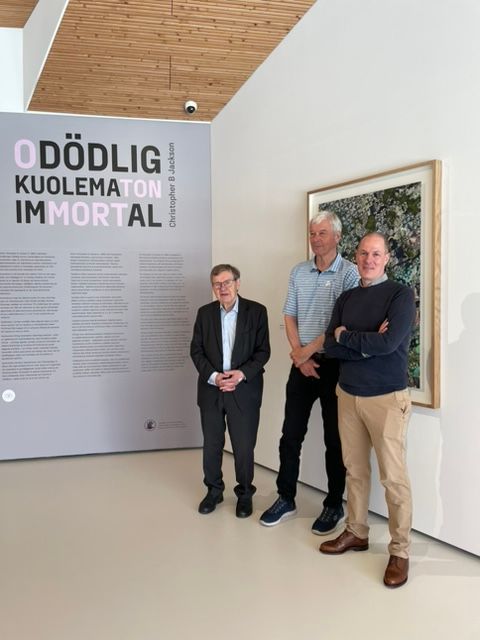
The Allan and Bo Hjelt Art Foundation and Chappe joined forces in May 2026 to explore the connections between contemporary art, scientific inquiry, and public dialogue. Held at Chappe in Ekenäs, the event brought together audiences interested in the ways artistic and scientific perspectives can enrich one another. The programme was organised in conjunction with the exhibition Immortal by Dr. Christopher B. Jackson. Through photography, silkscreen prints, and installations, the exhibition examined themes of evolution, adaptation, and the persistence of life in changing environments. These ideas formed the basis of Jackson’s presentation, “Immortal Entropy – Survival in Chaos,” in which he reflected on how living systems respond to uncertainty, transformation, and complexity. As both a geoscientist and an artist, Jackson drew on his experience in both fields, exploring the relationship between scientific observation and artistic practice, demonstrating how each can provide new ways of understanding the world around us. The audience were invited to contribute with their own reflections throughout the event, creating an engaging exchange of ideas and perspectives. Following the talk, visitors joined a guided tour of Immortal led by the artist. The tour offered valuable insight into the thinking behind the exhibition and highlighted the connections between Jackson’s scientific background and his artistic work. By combining a public presentation with direct engagement in the exhibition space, the programme encouraged audiences to explore the artworks from multiple viewpoints and to consider the broader questions they raised. Both the Foundation and Chappe recognise the importance of making space for conversations that cross traditional disciplinary boundaries and invite audiences to engage with complex contemporary themes. By bringing together research, creativity, and public engagement, the event highlighted the value of interdisciplinary dialogue and the role cultural institutions play in fostering thoughtful discussion about the challenges and opportunities of our time.

The Hjelt Foundation invites applications for a scientific research funding call investigating the role of environmental toxins in the aetiology of neural tube defects (NTDs) . Proposed studies may investigate causal pathways, biological mechanisms or interventions with the potential to prevent NTDs. Both human and experimental studies are eligible, but the research must focus on exposure during the prenatal period. Potential areas of investigation include chemicals and other defined substances encountered through occupational environments, living conditions, lifestyle, contaminated food or water, therapeutics or in-vitro fertilisation procedures.

HealthDay News — There was a 10-fold increase in youth-onset type 2 diabetes from 2002 to 2023, according to a study to be presented at the annual meeting of the European Association for the Study of Diabetes, held from Sept. 28 to Oct. 2 in Milan. Tessa Crume, M.S.P.H., Ph.D., from the Colorado School of Public Health in Aurora, and colleagues used data from the Colorado Diabetes Registry to examine long-term trends in youth-onset (younger than 20 years) type 1 and type 2 diabetes in Colorado between 2002 and 2023. The researchers found that the incidence of type 1 diabetes increased from 25.07 per 100,000 in 2002 to 27.39 per 100,000 in 2023. Between 2002 and 2014, there was a stable trend of incident type 1 diabetes (annual percentage change [APC], 0.66 percent). From 2015 to 2023, there was an increasing trend (APC, 2.62 percent). From 2002 to 2023, the incidence of type 2 diabetes among youth aged 10 to 19 years increased from 2.37 per 100,000 to 22.30 per 100,000. From 2002 to 2013, the incidence of type 2 diabetes increased by 2.92 percent annually compared with 4.72 percent annually from 2014 to 2023. “The danger is considerable, and it is why these trends matter so much,” Crume said in a statement. “Type 2 diabetes in a young person is a more aggressive disease than the same diagnosis in a middle-aged adult. The insulin-producing cells of the pancreas decline faster, blood sugar is harder to control, and complications affecting the kidneys, eyes, nerves, and heart can appear within just a few years rather than decades.” Abstract More Information

The Allan and Bo Hjelt Art Foundation and Circus & Dance Finland have established a collaboration that brings international circus expertise to Finland. Through this partnership, Swedish circus director Tilde Björfors will visit Helsinki in January 2026 as part of an initiative to foster cross-border dialogue within the performing arts sector.

6-7 June 2025, ODDfest will take place in central Helsinki. The festival brings together art, business, and society through a two-day program focused on creativity and innovation. This year, the Bo and Allan Hjelt Art Foundation is partnering with ODDfest to support a keynote appearance by American professor Arthur C. Brooks.

The Diabetes Foundation: The application period for next year’s research grants is 20 October to 15 December. Research grants are awarded to applicants at the Medical Faculties of Lund University, Sweden and Geneva University, Switzerland. Read more and apply at "Research Grants".
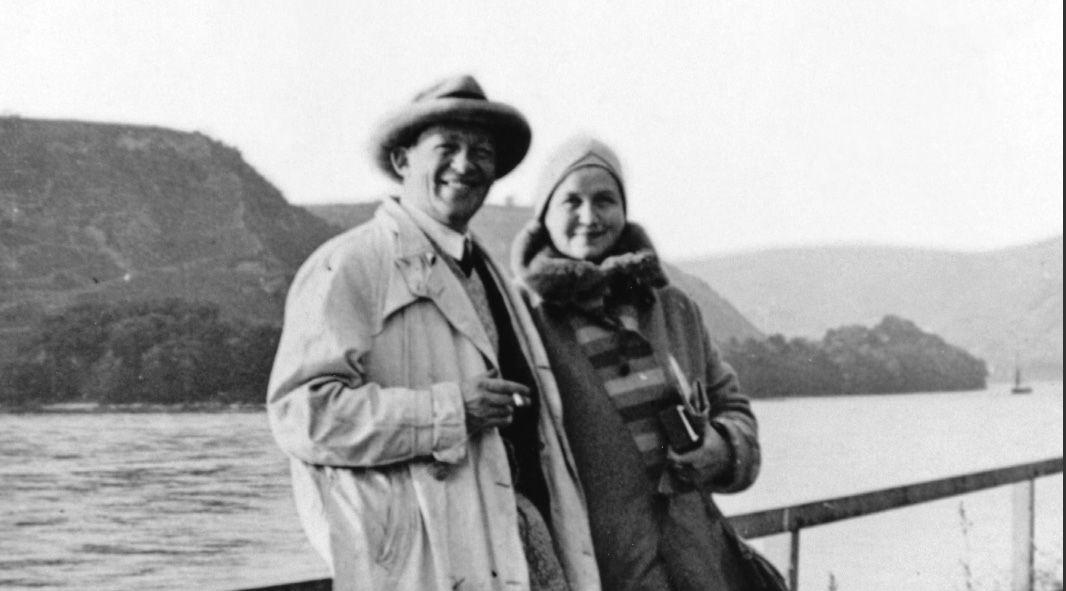
Two expert presentations at Helsinki Book Fair on Aino and Alvar Aalto's Italian connections

The exhibition "More than just oldsters" presents the art that has been donated to the Åbo Akademi University Foundation, as well as its donators.

We have the pleasure to invite two circus educators Lena Kruit and Rieke Hambach from MeerManege in Kiel, Germany to give a Hjelt talk, demonstrating the importance of play for creativity, the benefit of play and how it is linked to Education for Sustainable Development.
Spina Bifida Foundation
Having lost a child due to Spina Bifida, a most traumatic experience that no family should have to go through, the Bo Hjelt Foundation for Spina Bifida in memory of Madeleine Hjelt was set up to aid research into its’ prevention.
Learn more
Diabetes Foundation
The Bo and Kerstin Hjelt Foundation for research into Diabetes II was set up because, being a diabetic himself, he wanted to contribute to research in this field as it is increasing rapidly worldwide.
Learn more
Art Foundation
The Allan and Bo Hjelt Art Foundation was created in honour of Bo Hjelt's parents. He wanted to return to Finland some pieces of art that his Finnish-born father had collected; and to create the Falsterbonaset Open Air Museum in memory of his mother’s happy times in Falsterbo (five bronze statues by the Swedish sculptor Gudmar Olovson).
Learn more
Diabetes Foundation: Our Recent Research Projects
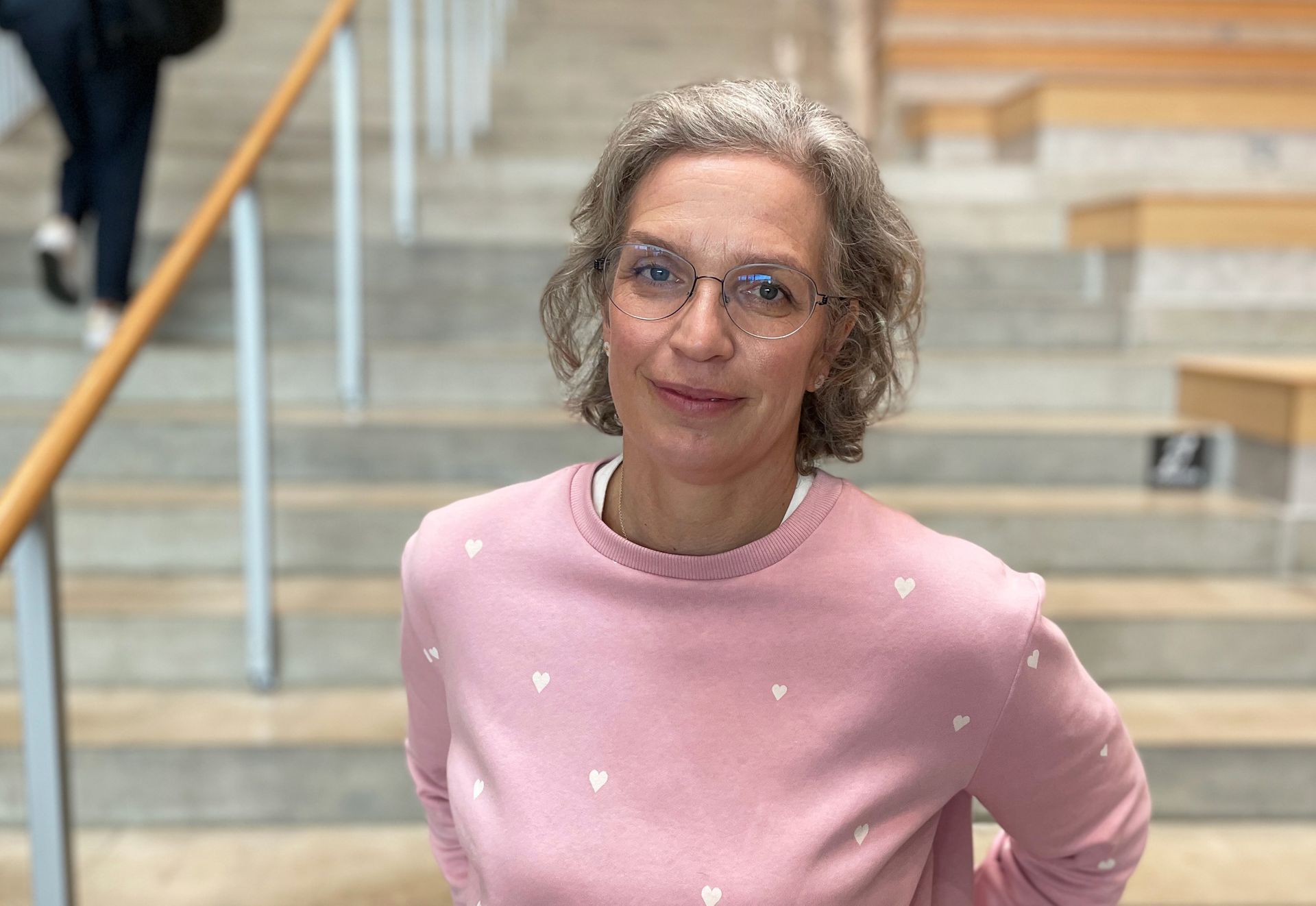
Karin Stenkula, Hjelt Grant Holder 2026, University of Lund. Studies of fat cells can help increase the knowledge of how weight loss treatments affect individuals with obesity. But fat cells are difficult to study because they are fragile and prone to break easily. Diabetes researcher Karin Stenkula receives a new grant for a project which will use new technique to study how fat cells are affected in connection with weight loss. Diabetes researcher Karin Stenkula leads a research group that studies molecular mechanisms regulating the function of fat cells. Studies of fat cells can help increase the understanding of the development of diseases such as type 2 diabetes and obesity. Both diseases are characterised by insulin resistance, which means a reduced ability of the hormone insulin to lower blood sugar levels. When the body's cells function normally and are sensitive to insulin, the fat cells can store excess energy as fat. In connection with insulin resistance, the cells' ability to store energy is impaired. “We store excess energy both in the subcutaneous fat just under the skin and in the visceral fat. The visceral fat is located around the internal organs, and when too much fat is stored there, the risk of diseases such as obesity and type 2 diabetes will increase. In the current project, we are investigating what happens to certain types of fat cells in individuals with obesity undergoing weight loss treatment,” says Karin Stenkula, research group leader at Lund University Diabetes Centre. Subgroups of fat cells Previous research within the area has identified various subgroups of fat cells based on their different gene expression. Karin Stenkula's research group have selected five of these subgroups of fat cells for further investigation within the new project. The research group’s project now receives a grant of almost half a million SEK from Hjelt Diabetes Foundation. The study will be conducted on about 30 participants with obesity who are undergoing different types of weight loss treatments. Some of the participants will receive treatment through weight management programmes, which will involve healthy eating advice and new exercise habits. Other participants are receiving GLP-1 medicines which have been approved for weight loss. Individuals who will undergo weight loss surgery can also participate in the study. Adipose tissue samples and clinical data are gathered before and for a few years after initiation of weight loss treatment for further analysis. The research team will investigate whether previous findings made at gene level in subgroups of fat cells can be confirmed at protein level, and whether there are associations to the cell’s insulin sensitivity. “It will be very interesting to make comparisons between participants who receive different types of weight loss treatment. We would, for example, like to investigate what happens to the participants’ fat cells before and after treatment and whether there are differences between different groups of participants. This knowledge can be important for providing individualised weight loss treatment,” says Karin Stenkula. New platform for images analysis If it turns out that certain types of fat cells have better insulin sensitivity than others, it may be possible to develop new treatments for obesity in the future. One therapeutic strategy may be to increase the number of fat cells of a certain type to improve insulin sensitivity. “I hope that the study will give us new knowledge about why the body’s ability to store fat is impaired and if we can do anything about it. If we can improve the body's ability to store fat, it may also be possible to prevent diseases such as type 2 diabetes.” Karin Stenkula's research group has established a collaboration with a company that specialises in smart microscopy and AI-tools for image analysis. Through a data-driven platform, the researchers can make detailed analyses of adipose tissue samples and fat cells. The new grant from Hjelt Diabetes Foundation creates conditions for the recruitment of a doctoral student who will focus on the development of software and data collection for the image analyses. “A major challenge in studying fat cells is that they float, are fragile, and prone to break. We hope that we will get a detailed picture of the fat cells through our new platform for image analysis,” says Karin Stenkula. Contact Karin Stenkula, research group leader at Lund University Diabetes Centre and the strategic research area EXODIAB karin.stenkula@med.lu.se Karin Stenkula's profile in Lund University's research portal https://portal.research.lu.se/en/persons/karin-stenkula/
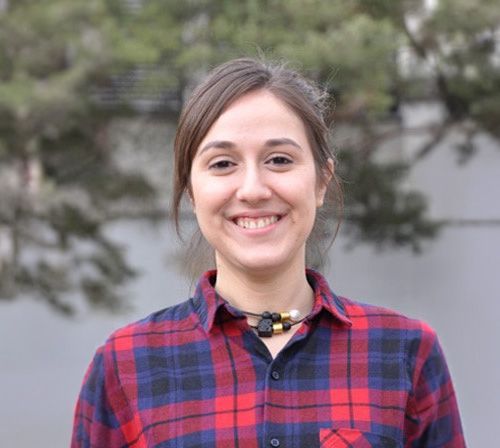
Giorgia Katsioudi, Hjelt Grant Holder 2026, University of Geneva. Disruptions in our circadian rhythms, the internal biological clocks that regulate vital metabolic processes are linked to T2D pathogenesis. Peripheral clocks are located in almost all organs of the human body, including the pancreas that regulates the rhythmic secretion of insulin. Modern stressors like chronic shift work, irregular sleep patterns, or jet lag, cause a chronic hormonal misalignment, which significantly elevates the risk of developing metabolic diseases.
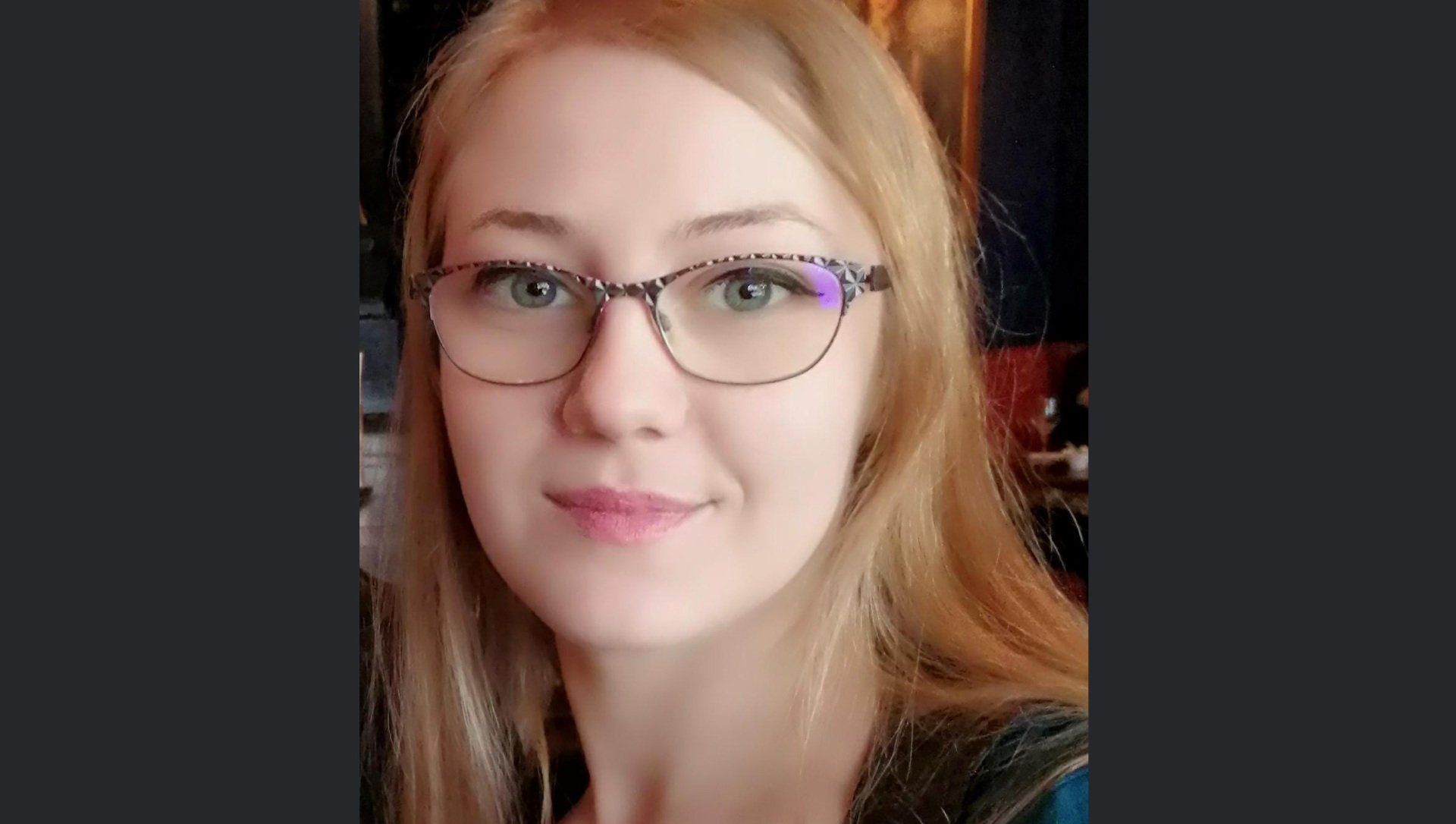
Monika Gjorgijeva Ducros, Hjelt Grant Holder 2025, University of Geneva. Background Diabetic kidney disease (DKD) is a serious complication of diabetes characterized by progressive renal dysfunction due to chronic hyperglycemia. AI showed upregulation of endoplasmic reticulum metallopeptidase 1 (ERMP1), a mediator of ER stress, in renal samples from patients with DKD. Collectively, the data suggest a protective role for ERMP1 in DKD. We aim to elucidate the interplay between renal cells with or without ERMP1 in vivo. We will use kidney-specific ERMP1 knockout mice fed either standard diet or a diabetogenic diet to induce DKD. Around 403.000 patients per year are diagnosed with renal carcinomas worldwide. Renal carcinomas are promoted by several factors such as obesity/diabetes, chronic kidney disease, smoking, toxin exposure, genetic predispositions and high blood pressure. This diverse array of risk factors leads to very strong differences in terms of tumor morphology, mutational profile and metabolic status and testifies for the need to deepen our understanding of the pathological processes involved in this disease in order to develop novel therapeutic approaches to fight renal cancer. Dr Gjorgjieva’s research aims therefore at deciphering the different molecular mechanisms involved in the incidence and progression of renal cancer . She is working on the development of an in vivo model of renal carcinoma that better mimics the pathology observed in humans and might open new therapeutic avenues.
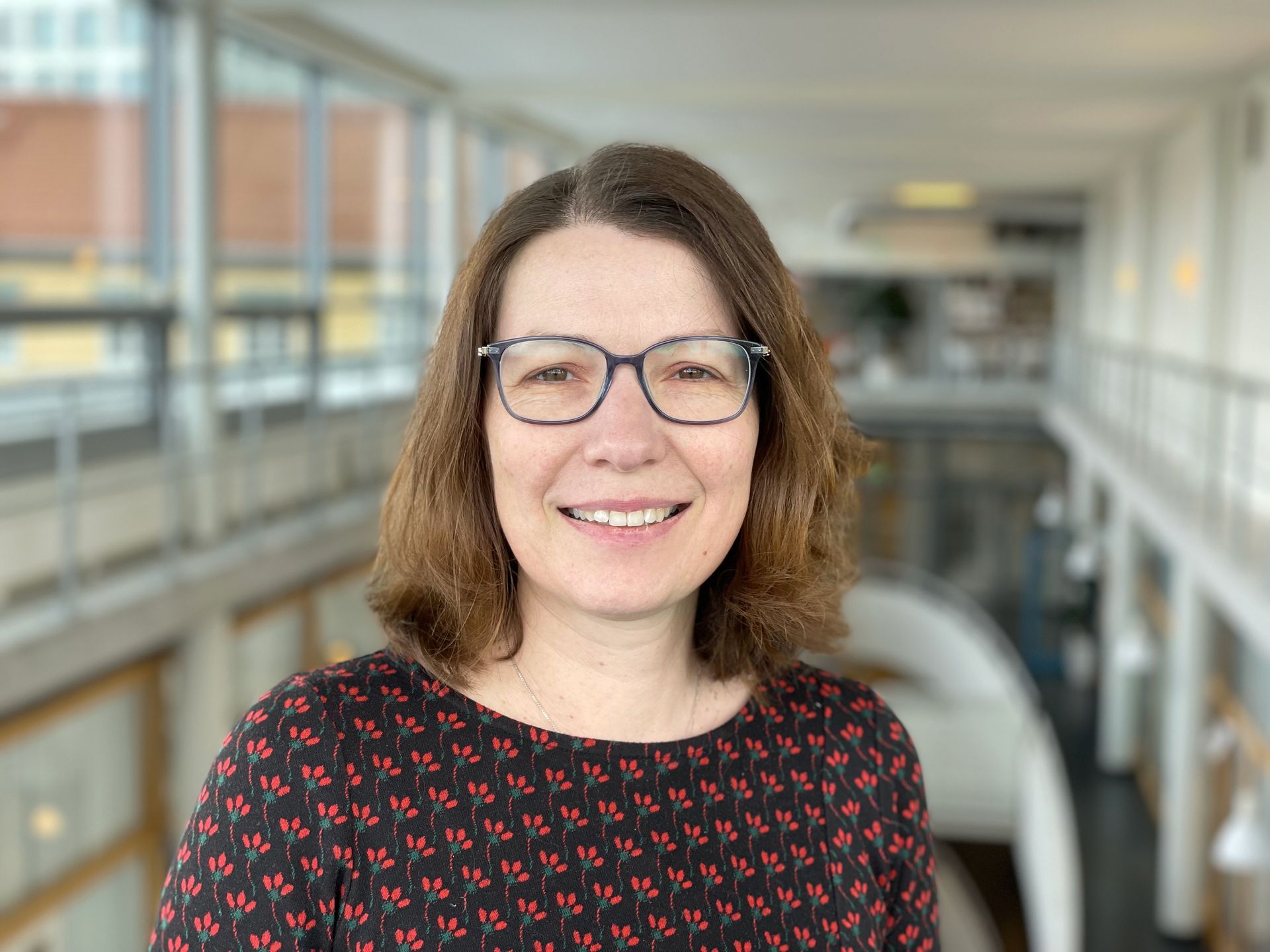
Isabella Artner, Hjelt Grant Holder 2025, Lund University. Transcriptional regulation of human islet development and function