
Our Grant holders

Karin Stenkula, Hjelt Grant Holder 2026, University of Lund. Studies of fat cells can help increase the knowledge of how weight loss treatments affect individuals with obesity. But fat cells are difficult to study because they are fragile and prone to break easily. Diabetes researcher Karin Stenkula receives a new grant for a project which will use new technique to study how fat cells are affected in connection with weight loss. Diabetes researcher Karin Stenkula leads a research group that studies molecular mechanisms regulating the function of fat cells. Studies of fat cells can help increase the understanding of the development of diseases such as type 2 diabetes and obesity. Both diseases are characterised by insulin resistance, which means a reduced ability of the hormone insulin to lower blood sugar levels. When the body's cells function normally and are sensitive to insulin, the fat cells can store excess energy as fat. In connection with insulin resistance, the cells' ability to store energy is impaired. “We store excess energy both in the subcutaneous fat just under the skin and in the visceral fat. The visceral fat is located around the internal organs, and when too much fat is stored there, the risk of diseases such as obesity and type 2 diabetes will increase. In the current project, we are investigating what happens to certain types of fat cells in individuals with obesity undergoing weight loss treatment,” says Karin Stenkula, research group leader at Lund University Diabetes Centre. Subgroups of fat cells Previous research within the area has identified various subgroups of fat cells based on their different gene expression. Karin Stenkula's research group have selected five of these subgroups of fat cells for further investigation within the new project. The research group’s project now receives a grant of almost half a million SEK from Hjelt Diabetes Foundation. The study will be conducted on about 30 participants with obesity who are undergoing different types of weight loss treatments. Some of the participants will receive treatment through weight management programmes, which will involve healthy eating advice and new exercise habits. Other participants are receiving GLP-1 medicines which have been approved for weight loss. Individuals who will undergo weight loss surgery can also participate in the study. Adipose tissue samples and clinical data are gathered before and for a few years after initiation of weight loss treatment for further analysis. The research team will investigate whether previous findings made at gene level in subgroups of fat cells can be confirmed at protein level, and whether there are associations to the cell’s insulin sensitivity. “It will be very interesting to make comparisons between participants who receive different types of weight loss treatment. We would, for example, like to investigate what happens to the participants’ fat cells before and after treatment and whether there are differences between different groups of participants. This knowledge can be important for providing individualised weight loss treatment,” says Karin Stenkula. New platform for images analysis If it turns out that certain types of fat cells have better insulin sensitivity than others, it may be possible to develop new treatments for obesity in the future. One therapeutic strategy may be to increase the number of fat cells of a certain type to improve insulin sensitivity. “I hope that the study will give us new knowledge about why the body’s ability to store fat is impaired and if we can do anything about it. If we can improve the body's ability to store fat, it may also be possible to prevent diseases such as type 2 diabetes.” Karin Stenkula's research group has established a collaboration with a company that specialises in smart microscopy and AI-tools for image analysis. Through a data-driven platform, the researchers can make detailed analyses of adipose tissue samples and fat cells. The new grant from Hjelt Diabetes Foundation creates conditions for the recruitment of a doctoral student who will focus on the development of software and data collection for the image analyses. “A major challenge in studying fat cells is that they float, are fragile, and prone to break. We hope that we will get a detailed picture of the fat cells through our new platform for image analysis,” says Karin Stenkula. Contact Karin Stenkula, research group leader at Lund University Diabetes Centre and the strategic research area EXODIAB karin.stenkula@med.lu.se Karin Stenkula's profile in Lund University's research portal https://portal.research.lu.se/en/persons/karin-stenkula/
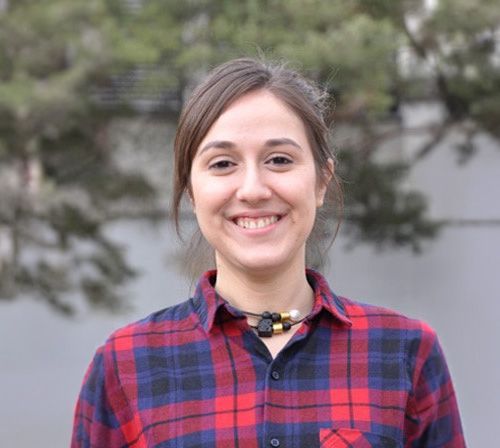
Giorgia Katsioudi, Hjelt Grant Holder 2026, University of Geneva. Disruptions in our circadian rhythms, the internal biological clocks that regulate vital metabolic processes are linked to T2D pathogenesis. Peripheral clocks are located in almost all organs of the human body, including the pancreas that regulates the rhythmic secretion of insulin. Modern stressors like chronic shift work, irregular sleep patterns, or jet lag, cause a chronic hormonal misalignment, which significantly elevates the risk of developing metabolic diseases.

Monika Gjorgijeva Ducros, Hjelt Grant Holder 2025, University of Geneva. Background Diabetic kidney disease (DKD) is a serious complication of diabetes characterized by progressive renal dysfunction due to chronic hyperglycemia. AI showed upregulation of endoplasmic reticulum metallopeptidase 1 (ERMP1), a mediator of ER stress, in renal samples from patients with DKD. Collectively, the data suggest a protective role for ERMP1 in DKD. We aim to elucidate the interplay between renal cells with or without ERMP1 in vivo. We will use kidney-specific ERMP1 knockout mice fed either standard diet or a diabetogenic diet to induce DKD. Around 403.000 patients per year are diagnosed with renal carcinomas worldwide. Renal carcinomas are promoted by several factors such as obesity/diabetes, chronic kidney disease, smoking, toxin exposure, genetic predispositions and high blood pressure. This diverse array of risk factors leads to very strong differences in terms of tumor morphology, mutational profile and metabolic status and testifies for the need to deepen our understanding of the pathological processes involved in this disease in order to develop novel therapeutic approaches to fight renal cancer. Dr Gjorgjieva’s research aims therefore at deciphering the different molecular mechanisms involved in the incidence and progression of renal cancer . She is working on the development of an in vivo model of renal carcinoma that better mimics the pathology observed in humans and might open new therapeutic avenues.

Isabella Artner, Hjelt Grant Holder 2025, Lund University. Transcriptional regulation of human islet development and function
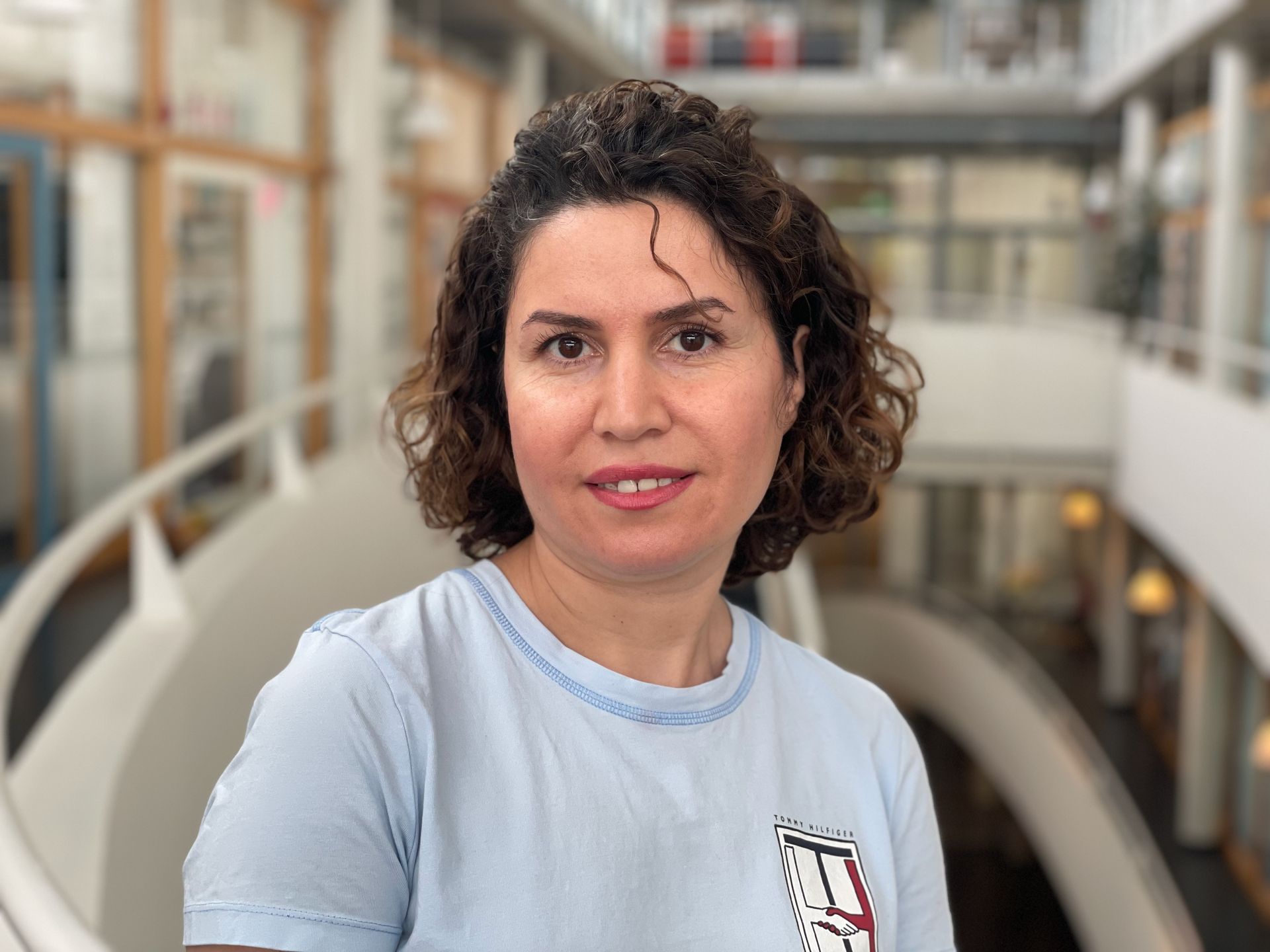
Sevda Gheibi, Hjelt Grant Holder 2025, Lund University. ACSL1 and β-Cell Function: A Novel Pathway in the Pathophysiology of Type 2 Diabetes

Therapeutic potential of S100A10 Inhibition in Hepatic Insulin Resistance, MASLD and Type 2 Diabetes
Etienne Delangre, Hjelt Grant Holder 2024, University of Geneva. Therapeutic potential of S100A10 Inhibition in Hepatic Insulin Resistance, MASLD and Type 2 Diabetes

Rashmi B. Prasad , Hjelt Grant Holder 2024, Lund University. Towards Personalized Medicine: Unraveling Biomarkers in Gestational Diabetes for Predicting Diabetes Subtypes and Prevention

Sebastian Kalamajski, Hjelt Grant Holder 2024, Lund University. Leveraging discordancy between obesity and type 2 diabetes to target insulin resistance

Sabrina Ruhrmann, Hjelt Grant Holder 2023, Lund University. Epigenetic Editing - a way to a personalized treatment approach in type 2diabetes (T2D) The number of people affected by diabetes is rapidly increasing worldwide. Type 2 diabetes (T2D) largely contributes to this increase and individuals with T2D usually face high blood sugar levels. To balance our blood sugar level the hormone Insulin is necessary and Insulin target tissues like muscles need to be able to take up glucose in response to Insulin. Overweight and no physical exercise can lead to insulin resistance (where the uptake of glucose is not any longer possible e.g. in our muscles) and almost all individuals with T2D show Insulin resistance. Our DNA only explains a small proportion of how T2D is passed on from parents to their children (also described as the so called “missing heritability”). Given the crucial role of diet and physical exercise in the development of T2D, mechanisms mediating the interaction of those factors with our genes should be of particular importance when trying to explain how T2D develops. Epigenetic mechanisms fulfil this criterion. Epigenetics is the study of how e.g. the environment and/or our behavior can affect the expression of our genes without changing our DNA. The fact that epigenetic changes do not change our DNA unlike genetic changes gives us the opportunity to “correct“ them. We are here trying to discover epigenetic changes that cause T2D. We will create small molecules called guideRNAs (gRNAs) that will help us to search for those epigenetic changes using the so called inactivated gene scissor system, CRISPR-dCas9. We will further try to also 'correct' these epigenetic changes to explore if epigenetic mechanisms may be targeted for a more patient specific treatment of T2D in the future.
Monika Gjorgijeva Ducros, Hjelt Grant Holder 2022, University of Geneva. Background MicroRNAs (miRNAs) are critical gene expression regulators involved in mRNA decay or translation inhibition. MiRNAs play an important role in various physiological processes and therefore, deregulation of their expression/activity has been associated with the development of metabolic disorders. Obesity and the metabolic syndrome represent key etiological conditions that predispose to the development of insulin resistance (IR), Type 2 Diabetes (T2D) and non-alcoholic fatty liver disease (NAFLD). Increasing evidence indicate that miRNA deregulation contributes to the development of these diseases. In this context, our recent findings highlighted a strong induction of miR-149 in the liver of various models of IR, T2D and NAFLD, suggesting an important role of this miRNA in these metabolic disorders. Hypothesis Based on our preliminary results, we hypothesize that the increase in hepatic mir-149 in IR/T2D/NAFLD conditions can favor these pathologies. We will therefore investigate i) the pathophysiological role and pre-clinical relevance of miR-149 upregulation in IR/T2D/NAFLD and ii) which miR-149 target genes are involved in this process. Methods To investigate the role of miR-149 in IR/T2D/NAFLD, we are using human liver organoids (HLOs). HLOs are obtained by inducing differentiation of human progenitor cells into different hepatic cell types (hepatocytes, Kuppfer cells, stellate cells) that form functional structures. These organoids respond to insulin stimulation in the same manner as human liver. Moreover, they develop hepatic steatosis under high-fat/high sugar conditions and can undergo inflammation when stimulated with cytokines. Finally, HLOs are an extremely relevant experimental model as they allow us to avoid animal experimentation protocols. Therefore, we will modulate the expression of miR-149 in HLOs via synthetic nucleotides and/ or viral vectors and we will analyze the molecular responses in HLO under various metabolic / inflammatory stimuli. We will further identify miR-149 target genes involved in IR/T2D/NAFLD and we will validate their relevance in public human datasets. Results Our preliminary data suggest a pertinent role for miR-149 upregulation in the induction of steatosis in vitro in currently used hepatic cell lines, as well as in HLO. We have also observed that alteration of miR-149 levels has a striking effect on hepatic glucose and lipid metabolism, implying a functional role for this miRNA in IR/T2D/NAFLD. Conclusion This project should allow us to better understand the role of miR-149 in hepatic IR, and more generally in obesity-associated disorders of the hepatic lipid/glucose metabolism. We will identify novel target genes of miR-149 contributing to IR/T2D/NAFLD and the fine-tuning metabolic regulation in the liver in pathophysiological conditions. Our investigations should provide key evidence and proof-of-concept about the potential of miR-149 and its targets as new biomarkers for IR/T2D as well as the therapeutic potential of targeting this miRNA to counteract and/or to alleviate IR/T2D development. Importance Modulation of miR-149 represents a promising therapeutic strategy by targeting numerous genes at once. Therefore, miR-149 modulation could represent a multi-targeting approach relevant and pertinent for multifactorial disorders such as obesity, IR/T2D/NAFLD. A significant and innovative aspect of this proposal is the development and use of genetically engineered functional HLOs in which hepatic steatosis, inflammation and IR can be reproduced. HLOs have the potential of replacing animal experimentation, thereby alleviating important ethical issues related to the use of laboratory mice for pre-clinical research.